America's Anti-EU Turn
How a fringe idea captured US foreign policy

Talking to the BBC six months after the Brexit referendum, American consultant Theodore “Ted” Malloch prophesied – with undissembled anticipation – that the Euro currency could collapse within the following 18 months. Malloch was an enthusiastic supporter of Brexit, but the outcome of the referendum in June 2016 infused him with hope that not only the UK but also many other European nations would leave the EU.
Both the fact and timing of Malloch’s interview with the BBC were not routine. It was done just a few days after far-right businessman Donald Trump assumed his first presidency in the US, and there were rumours that Malloch was Trump’s likely nominee for US Ambassador to the EU. Knowing about Trump’s support for Brexit – Trump said that the UK would be “better off” without the EU even before the actual referendum – Malloch was bullish: “I had in a previous career a diplomatic post where I helped bring down the Soviet Union. So maybe there’s another union that needs a little taming”.
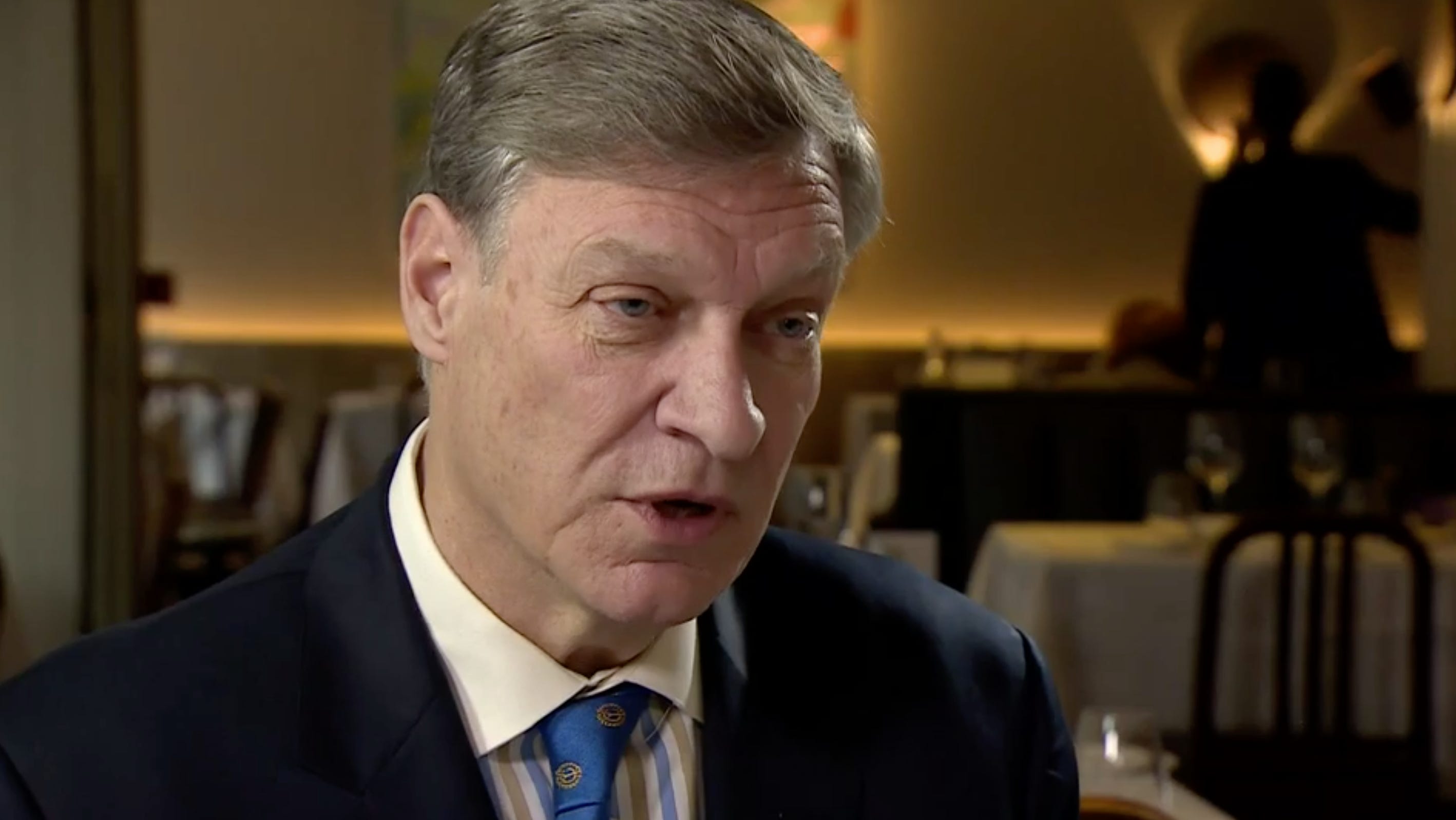
It was perhaps Malloch’s ardent support for Brexit that likely prompted interest in his credentials, and it was later revealed that he falsely claimed Oxford fellowships and exaggerated his academic, publishing and diplomatic achievements. Further developments showed that he was proven wrong on the Euro currency and that he was too overconfident on his nomination. At that time, the European Parliament strongly responded to the possibility of having Malloch as the US Ambassador: leaders of the major European Parliament parties publicly urged the European Council and European Commission to reject him were he nominated.
Trump never nominated him. However, since he was apparently considered for the US Ambassadorship to the EU, Malloch became one of the first US figures close to the US state power who openly espoused anti-EU views. Naturally, Trump himself – already as the US president – claimed that the EU was “a foe” of the US, but, at least at that time, this characterisation was largely mercantilist, rather than ideological in the political sense, as Trump was discontent with the EU–US trade balance.
But Malloch was one of those in the consultancy-related US circles who did start an evidently political anti-EU trend. It was continued by the nomination, in September 2017, of American consultant Richard Grenell as the US Ambassador to Germany.
Prior to his nomination, in 2016, Grenell provided consultancy/lobbying services to corrupt Moldovan politician Vladimir Plahotniuc and the Hungarian far-right Eurosceptic regime of Viktor Orbán.
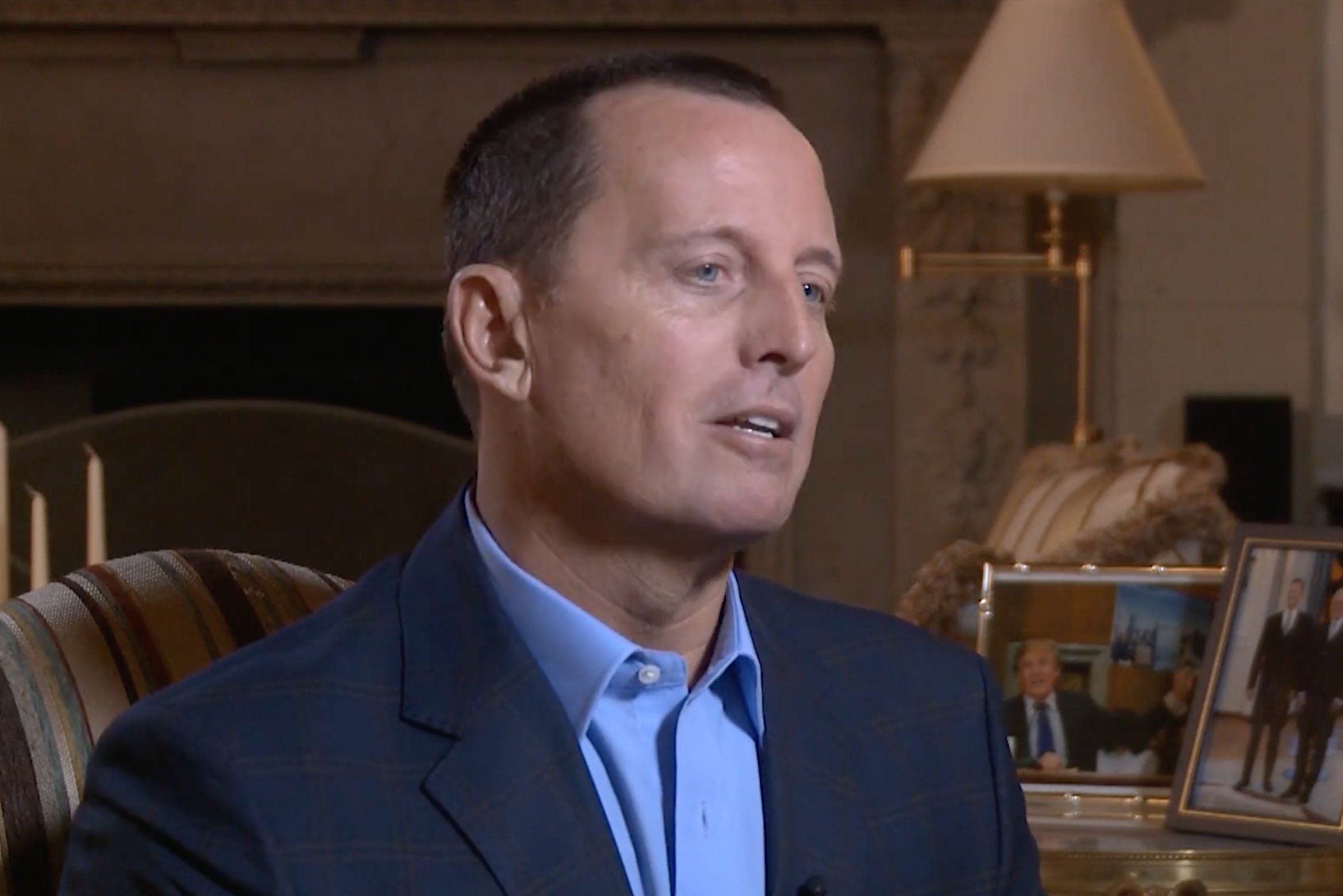
Grenell was officially endorsed as the US representative in Germany in May 2018, and already in June that year he demonstrated a political stance towards the EU – a stance that was hardly appropriate for a diplomat. Talking to the far-right anti-EU website Breitbart News, Grenell declared that he “absolutely want[ed] to empower [...] conservatives throughout Europe”.
During Joe Biden’s presidency (2021-2025), anti-EU sentiments in the US establishment became less pronounced, but the Eurosceptic trend continued to dwell, sharpen and radicalise within American ultranationalist milieus and particular think-tank circles linked to the Republican Party, which – under the influence of Trump and his MAGA movement – increasingly moved to the far right.
The major ultranationalist milieu that continued the Eurosceptic trend in the US was associated with the arguably leading American far-right activist of that time, Steve Bannon. He started his anti-EU activities already during Trump’s first presidency. Bannon briefly worked as the White House chief strategist and Senior Counsellor to the President between January and August 2017, but then was fired by Trump and went on, in 2018, to tour Europe to build alliances with major far-right parties such as France’s Rassemblement National (then Front National), Italy’s Lega, Germany’s Alternative für Deutschland (AfD) and others, positioning himself as an adviser and attempting to unite them under his “Movement” for the 2019 European Parliament elections. Bannon’s anti-EU efforts continued into the Biden presidency but they were rather weak compared to his activism in 2018–2019 that, in any event, was not particularly fruitful.
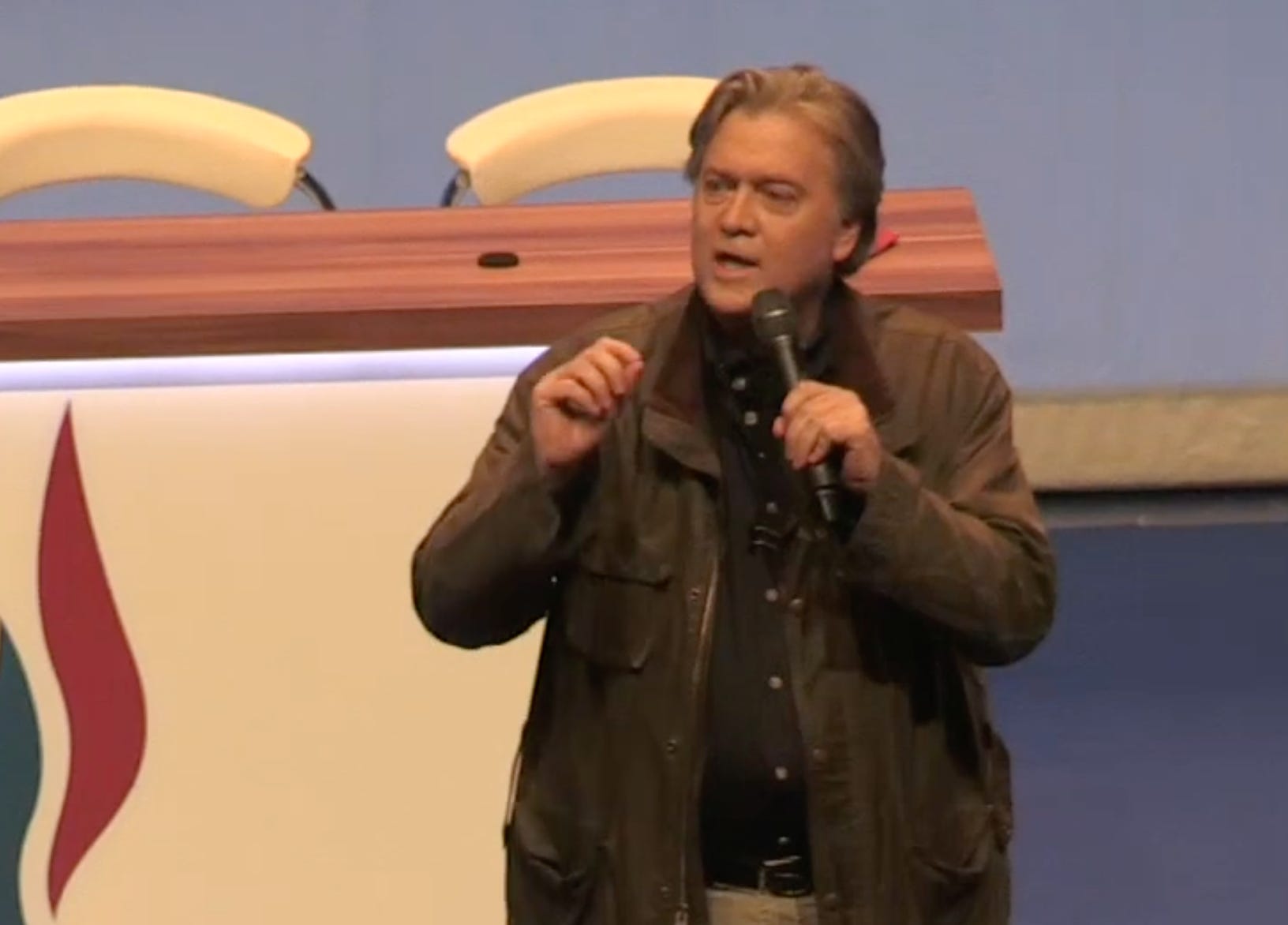
But even at the height of Bannon’s far-right activism in Europe, his attempts to foster a transatlantic anti-EU network reflected his own personal ambition rather than action on behalf of the US state. A more significant development in the US anti-EU trend during Biden’s presidency was, however, associated with the US right-wing think-tank Heritage Foundation that published, in April 2023, a 900-page political initiative titled “Project 2025” and aimed at reshaping the US government for a right-wing presidency.
Continuing the trend launched by Malloch, Grenell and the like, “Project 2025” had a sceptical view of the EU establishment, especially on supranational authority and regulations, and treated European national sovereignties more sympathetically than EU-level governance, thus sharing rhetorical ground with the European far right who Bannon sought to woo. Moreover, “Project 2025” particularly criticised EU regulations of US technology companies, arguing that they unfairly burdened American firms and might reflect protectionist motives.
When US Vice President JD Vance delivered – at the beginning of Trump’s second presidency – his anti-EU speech at the Munich Security Conference (MSC) in February 2025, he left many European politicians and officials perplexed.
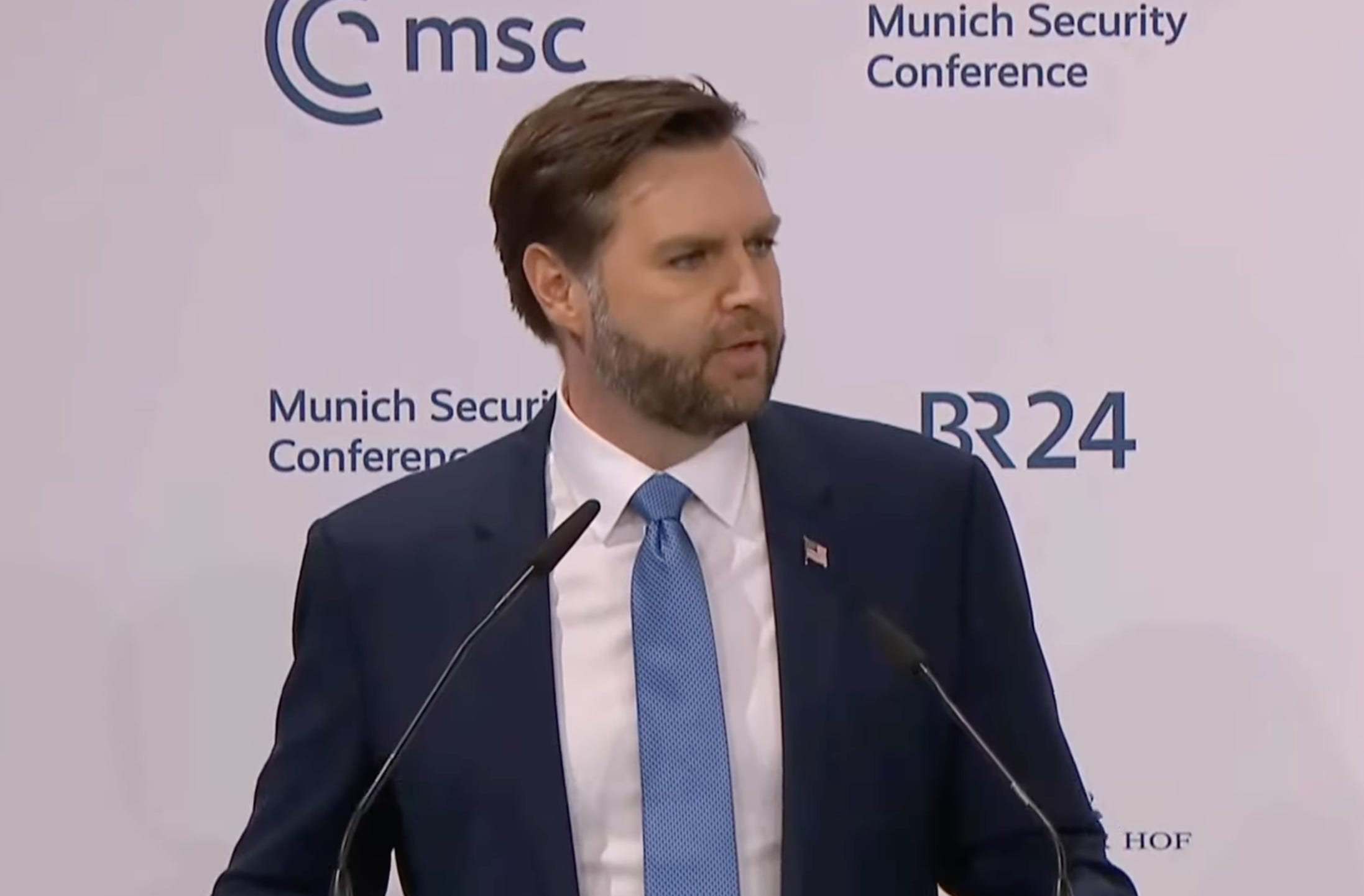
On the one hand, it was understandable. Vance had already spoken at the MSC, in February 2024, as a US Senator and Member of the Senate Committee on Commerce, Science, and Transportation. In his 2024 speech, his attitude towards the EU echoed a certain consensus among mainstream US and even some leading EU circles, as he argued that Europe had become overly dependent on American security, neglected its own defence and had to assume far greater responsibility for deterrence. Reiterating the US’s and the EU’s own concerns, Vance portrayed the EU broadly as strategically complacent, militarily underprepared and needing to adapt to a future where US priorities shift towards East Asia.
These messages were also featured in Vance’s MSC speech a year later, but they were not the part that shocked so many in the EU. By that time, the EU establishment had already become used to the US bashing of the EU’s evident underspending on defence and security – what the European elites had not encountered yet were US high-level attacks on the EU itself. Vance portrayed the EU as abandoning democratic principles through censorship, restrictions on free speech and intolerance of political dissent. He argued that EU elites undermined democracy by excluding right-wing populist movements, annulling elections and disregarding voters’ preferences on migration. Most infamously, he claimed that the main threat to Europe was neither Russia nor China nor any other external actor – it was “the threat from within, the retreat of Europe from some of its most fundamental values”.
Even those in the EU who did follow the developments in the MAGA-ised US Republican circles might have been unpleasantly surprised by Vance’s departure in tone even from the Eurosceptic narratives of the Heritage Foundation’s “Project 2025”. But their surprise was the result of the failure to observe the evolution of the anti-EU trend that kept on radicalising during Biden’s presidency in the US – the evolution going much further than the Heritage Foundation in its resentment towards the EU.
Trump’s second presidential campaign, marked by the radicalisation of his “America-first” rhetoric, is a viable explanation of the solidification of the anti-EU rhetoric at the highest US political level. But, again, Trump’s criticism of the EU, albeit often underpinned by racist undertones against non-Western immigrants, was largely mercantilist, while Vance’s approach was highly ideological.
What, then, explains the politicisation and, more importantly, the ideologisation of the evolution of the US criticism of the EU from the grudges about the alleged EU-US trade imbalance and discontent about European allies’ spending on defence and security to attacks on EU policies in the fields of information, migration, culture, elections and governance?